Loring Data Center / A sustainable data center that uses no water
A sustainable data center that uses no water
For organizations with carbon, water and energy targets: compute that sends close to 90 percent of each kilowatt to the servers and none of the cooling to a water tower.
Where the savings come from
- No waterNo cooling towers and no evaporation. Nothing is drawn from the local supply to cool the servers.
- No chillers or fansEvery server sits in a sealed chassis of dielectric liquid. Pumps and dry coolers move the heat out, so close to 90 percent of grid power reaches the servers instead of about 44 percent in a conventional hall.
- Fewer racksThe compute that fills 115 air-cooled racks fits in 24, so the building, the steel and the floor space all shrink with it.
- Fluid that lastsThe dielectric liquid has a global warming potential of zero and never needs replacing. After 36 months at full load, boards show no oxidation or corrosion.
Heat that does something
- Hot liquid, not warm airHeat leaves the racks as liquid at up to 60 C. That is warm enough to feed a food processor, a greenhouse, a dry kiln or a district heating loop.
- A neighbor for the heatFollowing the Open Compute approach of siting data centers beside industry, Loring is looking to pair with a new industrial employer in Aroostook County that can use the heat.
Built the way Maine asked
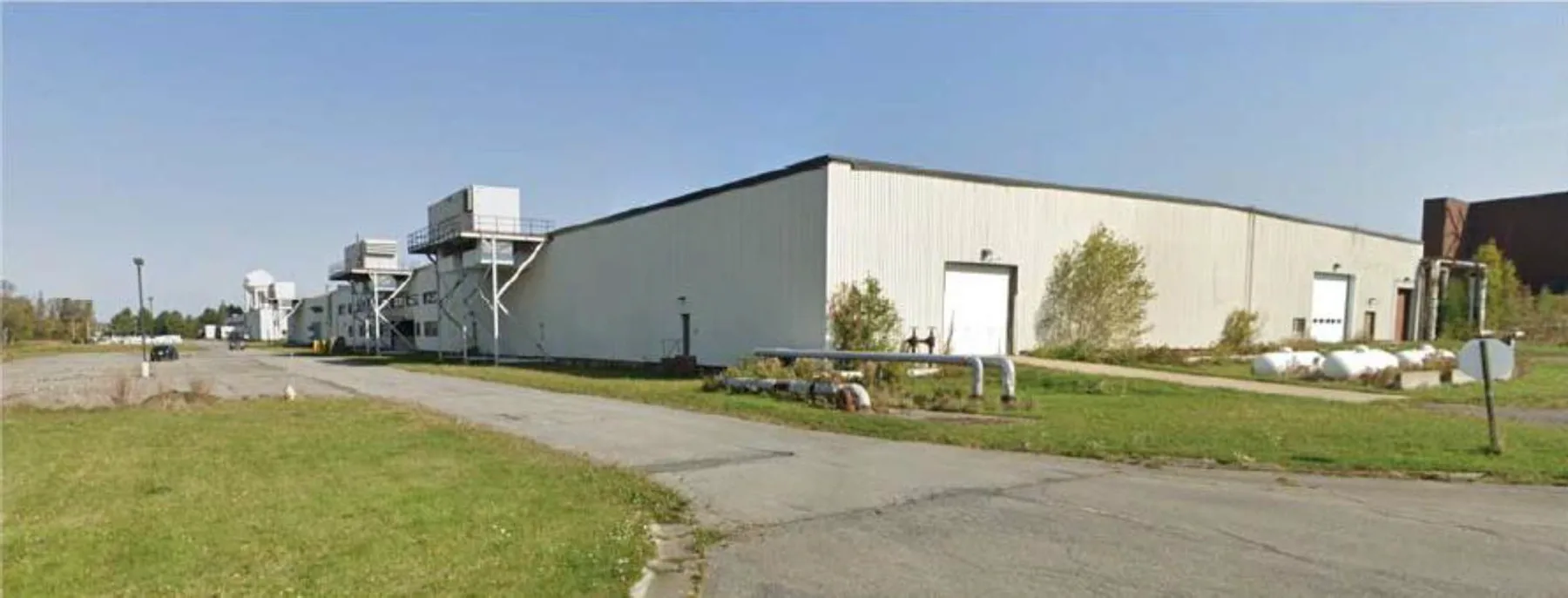
- Brownfield, not greenfieldA hardened Cold War building on the former Loring Air Force Base, put back to work.
- Phased under 20 MWA first phase in an existing building, expanding in steps the local grid can carry.
- Independent resultsBerkeley Lab measured LiquidCool 30 times more efficient than air cooling in a tropical climate, and NREL called it the gold standard for data centers in connected buildings.
Questions
Does Loring use water to cool servers?
No. Loring runs on LiquidCool Solutions chassis immersion with pumps and dry coolers, so no water is consumed to cool the servers and there are no cooling towers.
What is Loring's PUE?
1.13 on a LiquidCool-cooled equivalent basis, against about 2.25 for a typical air-cooled hall.
Can the waste heat be reused?
Yes. Heat leaves the racks as liquid at up to 60 C, and up to 95 percent of it can be recovered for a neighbor such as a greenhouse, food processor or district heating loop.
Tell us what you run.
Email info@loringdc.com or call (207) 300-5046. The email opens with six questions filled in. The power figure and the date matter most.
Or use the capacity form. Site visits by appointment at Building 7230, 89 Kansas Road, Limestone, Maine.